Article Body
Kenya offers rewarding safari experiences throughout the year, but the best travel period depends on the wildlife you hope to see, the weather you prefer and the type of experience you want. Some travellers prefer the dry months for easier wildlife viewing, while others enjoy the green season for quieter parks, dramatic scenery and photography.
June to October: The Main Dry Season
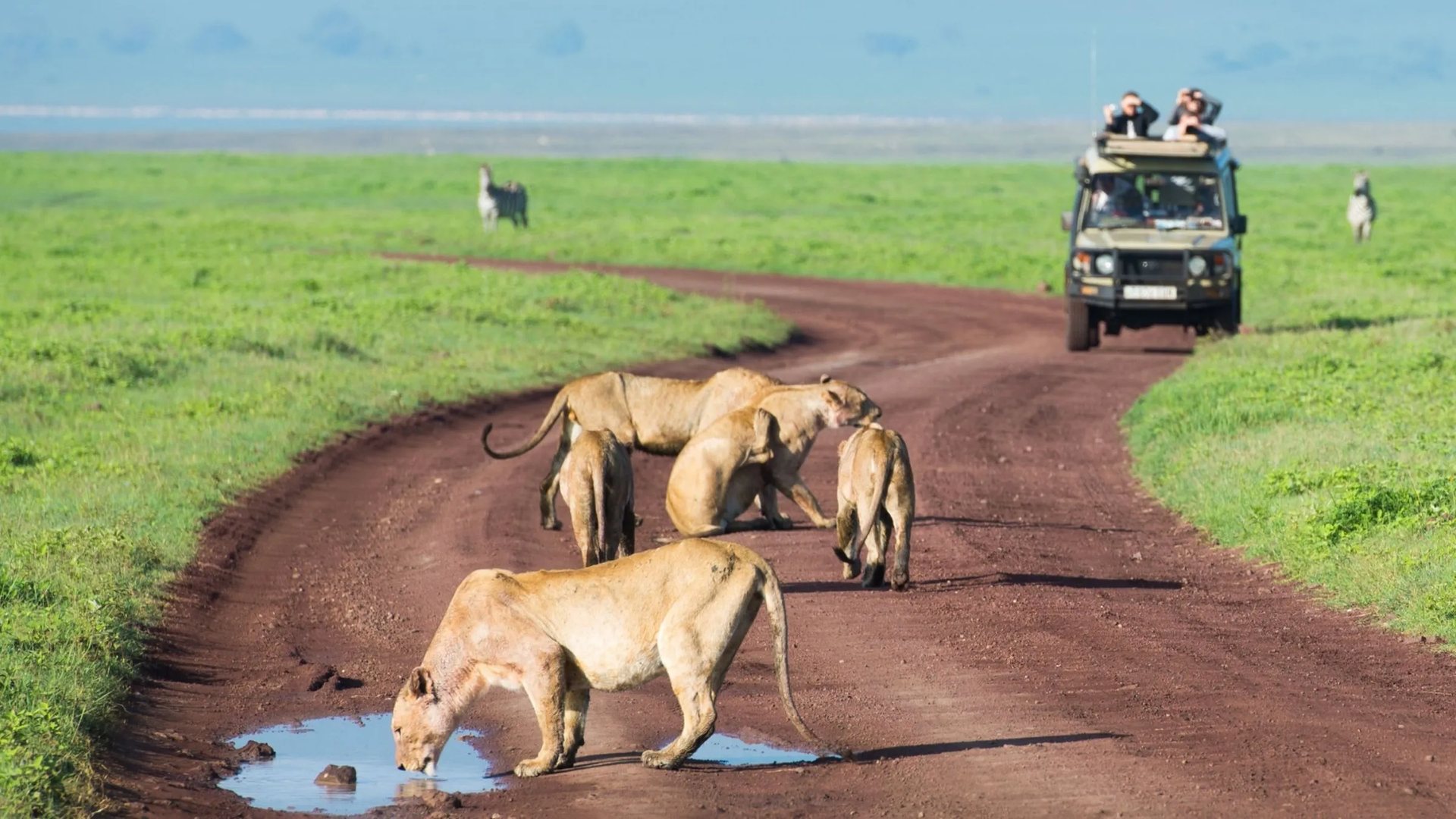
June to October is one of the most popular periods for a Kenya safari. Rainfall is generally lower, vegetation becomes thinner and animals often gather near rivers and permanent water sources.
This makes wildlife easier to spot in destinations such as the Maasai Mara, Amboseli, Samburu and Tsavo. Roads are also generally easier to use, although popular parks may be busier during peak travel weeks.
The famous wildebeest migration is commonly associated with the Maasai Mara during this period. However, wildlife movement depends on rainfall and natural conditions, so exact timings can change from year to year.
January to March: Warm and Rewarding
January to March can also provide excellent game viewing. These months are usually warmer and may offer clear skies, strong photography conditions and active wildlife.
Amboseli is especially attractive during clear weather because visitors may enjoy views of Mount Kilimanjaro behind the park’s elephants and open plains.
This period can suit travellers who want a rewarding safari outside the busiest migration months.
April and May: The Green Season
April and May are generally wetter in many parts of Kenya. The landscapes become greener, some parks are quieter and accommodation may offer better seasonal value.
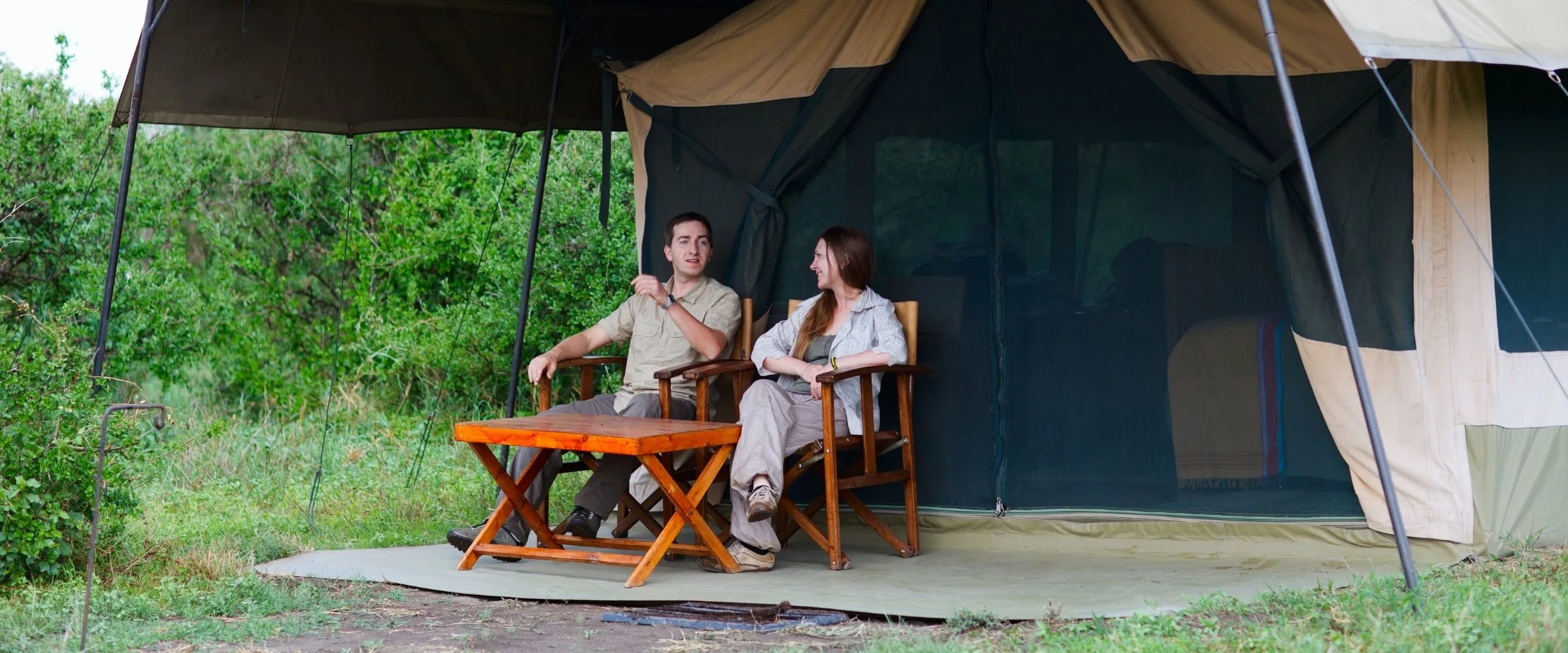
The green season can be attractive for photographers, returning travellers and guests who prefer fewer vehicles. However, some roads may become difficult, and certain camps may close temporarily.
A well-planned itinerary and suitable safari vehicle are especially important during this period.
November and Early December
November often brings shorter rains. These showers can refresh the landscape without always creating the same travel challenges associated with the heavier rainy season.
Wildlife remains present, visitor numbers may be lower and the scenery can be especially beautiful. Conditions vary by destination, so local planning remains important.
Choosing the Right Time for Your Safari
Consider the following when selecting your travel dates:
- Choose June to October for classic dry-season wildlife viewing.
- Consider July to October when migration activity is an important priority.
- Choose January to March for warm weather and rewarding game drives.
- Consider the green season for fewer crowds and rich landscapes.
- Book early when travelling during peak periods.
- Allow some flexibility because wildlife movement is natural and never guaranteed.
Which Destination Should You Visit?
The best destination also depends on your interests.
The Maasai Mara is known for open savannahs, big cats and migration-season experiences. Amboseli is popular for elephants and Kilimanjaro views. Samburu offers distinctive wildlife and rugged northern landscapes, while Tsavo provides extensive wilderness and varied scenery.
Combining two destinations can create a more complete Kenya safari experience.
Plan Your Kenya Safari with TAFF Adventures
Tell TAFF Adventures your preferred dates, group size, budget, accommodation style and must-see destinations. We can help you create an itinerary that balances wildlife, comfort, travel time and the pace of your adventure.
Explore our Kenya safari packages or contact TAFF Adventures for a personalized safari plan.